
Within minutes after you drink your coffee or tea, caffeine is carried by your bloodstream to all your organs and virtually every cell in your body. Because caffeine is fat soluble, it passes easily through all cell membranes: It is quickly and completely absorbed from the stomach and intestines into the blood stream, which carries it to all the organs. Caffeine permeates organs more rapidly than most other drugs, but not more rapidly than alcohol. And because there are no significant physiological barriers that hinder its passage through tissue throughout the human body, the concentrations attained by caffeine are virtually the same throughout the body and in blood, saliva, and even breast milk and semen.
TRY IT NOW!!!!
Dunkin Donuts Original Blend Ground Coffee – 12 oz
Many of caffeine’s powers depend on its power to pass into the central nervous system (CNS). To enter the CNS, caffeine must cross the blood-brain barrier, a defensive mechanism that protects the CNS from biological or chemical exposure by preventing viruses and other large (and most small) molecules from entering the brain or its surrounding fluid. Even when injected into the bloodstream, many drugs fail to penetrate this barrier, and others enter it much less rapidly than they enter other tissues. However, caffeine passes through the blood-brain barrier as if it did not exist.

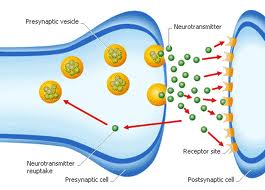
All psychoactive drugs, including caffeine, achieve their effects by imitating or altering the release or uptake of neurotransmitters, the chemical messengers that direct how the neurons of the CNS interact with each other. Neurotransmitters are altered by drugs in a variety of ways, including increasing or decreasing their synthesis, inhibiting or enhancing their transport, modifying their storage, release, or the way they are degraded, or simply by directly mimicking their activity or, alternatively, by blocking their action at the receptor site.
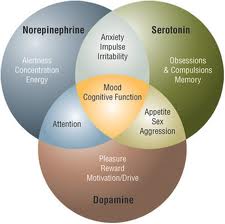
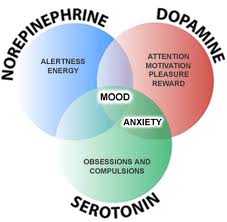
Caffeine achieves many of its effects by blocking the activity of adenosine, a neurotransmitter that affects almost every bodily system. Because one of the primary actions of adenosine is to make us tired or sleepy, caffeine, by blocking the uptake of adenosine, keeps us from feeling the effects of fatigue. But scientists have learned that, largely as a consequence of its blockade of adenosine receptors, caffeine also has profound effects on most of the other major neurotransmitters, including dopamine, acetylcholine, serotonin, and, in high doses, on norepinephrine. By affecting these other neurotransmitters, it is able to deliver a major boost to our capacities even when we are well-rested, something that could not be explained by the inhibition of adenosine alone. By increasing the transmission of dopamine, caffeine improves our mood and may protect brain cells from age and disease related degeneration. By increasing the activity of acetylcholine, caffeine increases muscular activity and may also improve long-term memory. By raising and adjusting serotonin levels, caffeine relieves depression, makes us more relaxed, alert, and energetic, and relieves migraine headaches.
The full story of caffeine’s intricate mechanism of action is still only partially understood by pharmacologists and physicians. And though caffeine is probably the most widely studied drug in history, the effort to penetrate its mysteries continues today. Animal studies are problematic, because rats, mice, cats, dogs, and monkeys process caffeine very differently from each other and very differently from human beings. Human studies are sometimes bedeviled by the individual differences in the quality of responses to caffeine and differences in the rate at which it is metabolized by different people and at different times. Finally, there is the unique problem that, because almost everyone already uses caffeine, it is difficult to determine what they would be like without it.
However, even if we don’t know all the answers about how caffeine works, we can classify the two major effects caffeine has on our neurotransmitters by which it achieves its magic:
- Caffeine alters the production or uptake of many neurotransmitters so as to increase mental and physical energy and enhance performance; and
- Caffeine regulates the balance of many neurotransmitters, in ways that enhance our moods, kill pain, suppress our appetite, and even protect our brain cells from damage and disease.
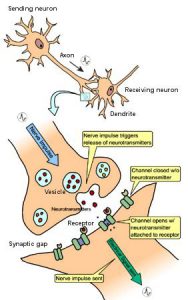
- Transporting Neurotransmitters
Caffeine’s Neurotransmitter Mediated Benefits
●Cognitive:
Sharpens reasoning, memory, verbal fluency, concentration, and decision-making and heightens sensuous perception.
●Affective:
Enhances moods, increases relaxation, relieves boredom, boosts self-confidence.
●Physical:
Improves speed, endurance, energy output, strength, and reaction time, and increases thermogenesis, that is, fat burning and metabolic rate.
●Therapeutic:
Protects body cells and especially brain cells from some kinds of long-term damage and delivers many other specific therapeutic benefits including pain relief and protection from the pulmonary complications of smoking and the damage from strokes.

Very good article, however as caffeine user I would love to know what is the maximum daily amount recommended. Over usage of anything has some negative issues that can develop what are they?
Very good question! However, there is no “maximum daily amount recommended.”
First, people respond to different doses of caffeine differently. To give just one example, some people can drink a strong cup of coffee, containing 150mg of caffeine or more, at 11 PM and sleep well at midnight. Other people who consume even 50mg of caffeine in the morning can’t sleep at night. Who is right? Neither one is right! The fact is that, to use caffeine strategically, each person must determine, by trial and error, what caffeine does to him and use caffeine accordingly.
Second, the amount you want to take depends on what you are trying to achieve:
1 cup of filter drip coffee or 150mg each day ….Reduces the change of having a stroke by 25%;
2 cups of filter drip coffee or 300mg each day….Reduces the occurrence of heart attacks by 20%;
1 cup of filter drip coffee or 150mg each day…Reduces the occurrence of and can even partially reverse Alzheimer’s and senile dementia;
400mg may be the best dose for most people to improve sports and exercise performance;
100mg in the morning is enough to improve your mood for the whole day.
Finally, the Yerkes-Dobson Effect demonstrates that using more caffeine than the dose that benefits you the most actually starts to erode the benefits, for example, in sports performance. So, you are right that using too much can be counter-productive.
LD50- 1000 mg according to wiki.. uncited however. (LD50= lethal dose in half of population)
That is ludicrous. The true figure is MUCH higher!
LD50 is really written as LD subscript 50. It does not refer to 50 mg. But rather 50% or the median amount of a lethal dose. This LD50 FOR CAFFE INE is 80 to 100 cups a day for average human See wikipediahttp://en.m.wikipedia.org/wiki/Median_lethal_dose
Thank you guys so much! I really love this website, it’s helped me so much for my schools Small Molecule Project, and I’ve learned so much trusted information. Keep the amazing work up!
I was a pot+ a day guy for 25 years. Developed A-fib due to decades of endurance training at very intense levels. I stopped drinking coffee on June 10 of 2013 and over the next few months had two heart ablations to put my heart back in sinus rhythm. The antiarrythymic drugs did not work for me. The second ablation worked, but left me with multiple PAC’S a day. I would have 200-400 daily. Had my final follow up with my cardiologist and he released me to do whatever I wanted. I had been exercising, but nothing like before and I was still on zero caffeine or almost zero.
Last week I began drinking 2 cups of coffee a day and my PAC’s virtually stopped within 90 minutes of the first cup of coffee. Now I am having 10-20 PAC’s daily instead of hundreds. This is what led me to searching for caffeine and it’s possible effects on the heart.
Would love to hear your thoughts on why caffeine appears to work better than the antiarrhythmic drugs for me?
Thank you! Enjoyed the article.
If you don’t know PAC’s are premature atrial contractions. It feels like your heart is skipping.
It is hard for me to say specifically why caffeine has delivered the benefit of virtually stopping PAC’s. What I can say is that, although caffeine has many, many favorable effects on health and definitely extends life, the most important contribution of caffeine to health and its greatest contribution to extending life is its ability to reduce cardiovascular pathologies of all kinds. If you discover more particulars about this, please write to us again! And thank you for your contribution!
Great article. I am a bodybuilder and have been using caffeine for over 10 years (not daily) to get physical boost. I am more alert and heart rate and body tempei goes up, I have a heightened sense of smell and also more sharp.
I am able to use 600-800mg at a time goto 3 times a day, I usually stick to 600mg before a workout or when I have to eat lots of junk food. It boosts metabolism as well.
We build tolerance to caffeine over time. If I take 400 mg it doesn’t really help me much. After its half-life caffiene causes dehydration and I feel it in back on my neck and it causes pain until I take a nap. Also taking even 600mg caffeine causes sleepiness after eating oily food such as fries.
I am currently experimenting on increasing Serotonin, Dopamine and endorphins to take my mind to Next Level so that I can control these with my mind rather than drugs. I am also going to use meditation to use brain capacity to help me.
I never thought of caffeine to help with brain capacity but now I seem to have more possibilities.
Acetylcholine-L-Carnitine, L-dopa, Omega-3, GAbA precursor, melatonin are the supplements I am using to help, with caffeine in the mix.
Any other tips are welcome.
Thanks for the explanations… What I’m curious about is when I normally drink 5-7 cups of coffee a day, I go through cycles of being awake and crashing.
Yet when I drink “bulletproof” coffee, http://www.bulletproofexec.com/bulletproof-coffee-recipe/, made with butter and coconut oil, 1-2 cups 1st thing in the morning keeps me going all day long with a high degree of alertness – I feel incredibly charged-up!
Any idea of why? Could there be a relation between drinking oil/fat based coffee vs water-based only?
Fat content of a drink shouldn’t make any difference at all to the metabolism of caffeine. However, I have no idea what the caffeine content of bulletproof coffee might be.
Gotcha… Maybe it gets absorbed a lot faster or gets buffered to last longer. I don’t know.
In the article I read that caffeine suppresses the feeling of tiredness and makes you more alert. Every time I drink coffee, though, I get instantly sleepy. The case is the same with energy drinks like Monster. It’s not waiting a while and then a crash; it’s just going from normal to sleepy. Whenever I drink soda or tea, it does nothing to me. I expect that is because there is less caffeine in those drinks than coffee or energy drinks. It has been know to me that I have an abnormal amount of platelets in my blood. The platelets are the clotting agents in the blood. A normal person will have anywhere from 200,000 to 400,000 platelets in their blood. I, on the other hand, have usually 700,000 to almost a million. I know this may sound weird and that it might seem to have no correlation to how caffeine acts on the body, but would my higher platelet count have anything to do with the way my body reacts to caffeine? And if not the platelets, then you do know of any studies or research done that might suggest that caffeine interacts differently with positively typed blood than negative?
Thank you for your question. Unfortunately, after studying caffeine for many years, I still have no information about your platelet question. The greater amount of caffeine in coffee could be the explanation for your experiences. But getting tired might also simply be caused not by the caffeine in coffee but by some other property of coffee!
Please let me know if you find out anything further about this!
I also use caffeine to help me go to sleep or relax me. I don’t drink coffee, I just take caffeine in the pill form. I have be a runner and I use an oximeter to get my pulse and spo2 each morning before I get up. If I take 100 mg of caffeine and hop back into bed, my resting heart rate will drop 10% and my spo2 reading will go up about 1%. If I take 200 mg of caffeine and hop back into bed, my resting heart rate will drop 20% and my spo2 reading will go up about 2%. If I don’t take my caffeine my running performance is not very good. Lately I have been taking 100 mg of caffeine in the middle of the night when I wake up and can’t go back to sleep. It works like charm. I always feel like caffeine relaxes me. All my friends think I’m weird when it comes to caffeine consumption. I have had the same reaction to caffeine for over 30 years. I would love to hear your insights on my bodies reaction to caffeine.
Thanks so much for your fascinating comment! Your experiences are somewhat unusual. However, caffeine provides a relaxed energy and does not make most people tense. If you look at my blog about the Zen tea ceremony, you can see this point discussed. Therefore, I don’t find your experience hard to believe. As far as the drop in your heart rate, that is right in line with all the beneficial effects on the cardiovascular system that have been proven for caffeine.
I have heard that people with ADD or ADHD (not sure which) can have relaxing effects from caffeine, as opposed to the more energized reaction.
Without question, caffeine is relaxing. It confers a tranquil energy, which is the reason it is enjoyed during Zen tea ceremonies. See our post on Zen and caffeine to learn more.
I have moderate to severe GERD and am using Jet Alert 200mg Softgel. I find the 200mg softgel version is easier on my acid reflux than even a lower 100mg hard tablet caffeine (Jet Alert), let alone “any” other brand of 200mg hard tablet (Vivarin, No Doze, etc), none of which I can tolerate.
But an enteric coated caffeine would be best for me if I could find one, ideally an otc enteric coated softgel.
I not only have long-term acid reflux but, as of 15 years or so ago, I also have had a hiatal hernia. A hiatal hernia makes acid reflux far worse by directly allowing the acid to go up the esophagus.
I am a longhaul otr truckdriver, so unfortunately, caffeine is a necessary part of my life, despite my acid reflux. So years ago, I suggested to Bell Pharmaceuticals, Inc; the maker of Jet Alert (in a phone call to one of their top level guys in their lab, about 10-15 years ago) that they manufacture a softgel/enteric caffeine. I actually GAVE them the idea for that product one afternoon. But I’m sure they don’t remember it since I’m not a millionaire yet, lol. I figured such a product would be far easier on my GERD than a hard tablet caffeine.
They eventually did make a softgel version, but I am still needing the final piece, the enteric coating. I have actually considered seeing how expensive it would be to have a compounding pharmacy put an enteric coating on the Jet Alert softgel. If anyone here has any thoughts on an enteric coated softgel caffeine pill, where it might be available, or where to get it done economically, please advise me.
Btw, you all may find this interesting, I have determined by personal experience that the reason a softgel is SO much better than a hard tablet for GERD is that the caffeine primarily stimulates the acid production from INSIDE the stomach (NOT so much from the bloodstream side). It is interesting that this is the exact opposite of what many doctors think, including the gastroenterologist I was seeing back then. My gastroenterologist advised me about 15 years ago (incorrectly) that an enteric coating on a caffeine pill to keep it from dissolving in the stomach, would have no effect on acid production, since (he believed-incorrectly) that the caffeine was primarily stimulating the acid from the bloodstream side. This made no sense to me at the time due to the sheer speed of the onset of acid reflux following taking a caffeine pill (a minute or two). I figured the caffeine “acid stimulation effect” HAD to be coming from the initial release of caffeine into the stomach, but I reluctantly decided to believe that he probably knew what he was talking about, and consequently gave up my search for a way to get an enteric coated caffeine pill.
However, in the past few years, since Bell Pharmaceuticals came out with a softgel caffeine, I have found that my original supposition was correct, and the gastroenterologist was wrong. A softgel caffeine releases all at once in the stomach, and is consequently rapidly absorbed into the bloodstream. A hard tablet, by contrast, takes a much longer time to dissolve and absorb, and causes CONTINUOUS acid production till it is fully absorbed by the stomach. Make no mistake, once the caffeine is in the blood, it very rapidly diffuses throughout the body, & consequently has little effect on the acid production from the bloodstream side, at least compared to the immediate & powerful primary acid stimulating effect caffeine has from INSIDE the stomach. Once in the bloodstream, the caffeine is spread out from head to toe and is not any more or less a stimulator of stomach acid than it is of any other body part. The primary acid stimulation occurs during the window of time while it is still in the stomach. Incidentally, I would bet no one has ever actually formally studied this to compare the two stimulating effects, which could be done using an IV source of caffeine (to establish a baseline for how much stomach acid is produced with a given amount of caffeine administered completely from the bloodstream side) versus a standard non-enteric hard tablet versus an enteric softgel (this is a hint for grad students looking 4 a thesis idea!).
Therefore the secret key to using caffeine with little additional stomach acid production, is to get the caffeine thru the stomach lining & OUT asap! A softgel accomplishes this absorption very quickly. However, as I have stated, even better than that would be an enteric coating on the softgel, which would put the caffeine beyond the stomach entirely, but still have a fairly quick effect. The problem with an enteric coating is it slows down the alertness effect, especially on a full stomach, since the pill would not dissolve until it got beyond the stomach. However a softgel design would partially counter that delay by speeding the absorption back up a bit once it did get in the intestine. An enteric coated softgel would release and be absorbed by the intestine a bit faster than an enteric coated powder capsule, and a lot faster than an enteric coated hard tablet. One could also put additional caffeine in some sort of time delayed, dissolving microbeads that would be timed to dissolve even later in the intestine in order to counter the half-life of caffeine. Perhaps, 400-600 mg released over 10 hours or so. This would be a great idea for a deluxe caffeine product.
One additional point is that Rhodiola Rosea extract will magnify the effectiveness of caffeine. I use Jarrow Formulas, which has 5% Rosavins, which is the active ingredient. In time, I would expect to see this herbal ingredient added to some caffeine products. I imagine Rhodiola could also be used in a deluxe caffeine pill, in order to reduce the amount of caffeine while retaining the effectiveness of a higher amount, for the use of people who were sensitive to higher amounts of caffeine. Or to increase the alertness effect for others without increasing the caffeine amount.
If anyone has any input on how or where to get buy an enteric coated softgel caffeine pill, or an economical service to do so, I would be keen to get your advice. Thanks.
Hi Greg, do you know where I can find the soft-gel version of Jet-Alert? I’ve looked everywhere but only found the tablets! Would love to hear from you. Seems like it would be a great idea for acid problems.
No Jet Alert caffeine product can upset you stomach. They contain only caffeine!
Thanks for all the helpful information available on this site (articles and comments)! What is the recommended dose and/or form of caffeine to enhance/improve your cognitive abilities?
There are no “forms” of caffeine. However, some researchers think that some of the ingredients in coffee mitigate against some of caffeine’s benefits. Therefore, to be sure getting the most from caffeine, pills or tablets are your best bet. As afar as dose, that depends on your sensitivity to caffeine. Factors that affect this sensitivity include your genetics, medicines you are taking, foods you are eating, your weight, and even if you are an introvert or extravert. The only way to know what caffeine will do for your cognitive powers is to experiment. You will find a Caffeine IQ test on this site. Check it out!
Thanks so much for your help! By saying “forms” of caffeine, what I meant was is it better to drink coffee, tea, or energy drinks; take pills, eat candy, or some other way. You answered my question so thank you. What foods are commonly known to interact with caffeine? Are there certain foods, or is it the amount of food that hinders absorption or functioning? I’m finishing my degree in psychology, and I was originally only interested in finding a way of helping me focus, be more alert, and have more energy in general, but I find this fascinating! Thank you again!
The best recommendation I can give to you is to check out our book The Caffeine Advantage. There are discussions of foods, drugs, and other factors that influence how caffeine affects you. Also, the One-minute IQ Test seems to have disappeared from the web site! You will find this test in The Caffeine Advantage, and I think you will find it interesting as well. Please keep in touch and good luck with your studies!
I got a little confused because I read an article that recommends reducing caffeine in order to boost dopamine activity. The article goes on to say that caffeine initial boost is replaced by a big let-down (my own words). So, my objective is to increase dopamine levels in a natural way. What am I not understanding properly here?
http://www.naturalhealthadvisory.com/daily/depression-and-anxiety/8-natural-dopamine-boosters-to-overcome-depression/
I know of no evidence that dopamine levels are decreased by caffeine use. In fact, based on the profile of caffeine’s many beneficial effects on memory, energy, concentration, etc., etc., we would have to say that, if anything, caffeine increases the effects for which dopamine is recognized.
Your research is comprehensive …Thank you! Your visuals–the best yet for armchair researchers to understand. Thank you! I’d love for you to take your expertise into researching whether caffeine can bond with other molecules, like fats, and port it into the brain in order to continue to keep …I think its called… Mylin … No that’s not it.. The slippery stuff our brain needs..myelin(?) juicey in order for neuronal transmission to occur w ease. I began reading about fats+brain development during when I was adopting my babies who thru insult during pregnancy were taken away from their birth mother. But 14 years later, my daughter continues to show more anxiety, more need for add drugs to regulate her fopine, serotonin, and epinephrine. And still she has little focus. I’m reading a website for “bulletproof coffee” where a “biotech” believes caffeine can deliver fats to the brain to increase alertness and focus. I’m experimenting on myself. I find myself to feel full after one large cup of coffee a generous pay of butter @ 7:30a til10:30a when I begin to feel a hollow place in my stomach. I also feel much more focused then if I just had my usual two cups coffee @ 7:30a. But is it the placebo effect?(rhetorical) Not sure. I would love and forever appreciate your investigation into the efficacy of this premise of caffeine delivered fats to the brain. -Mary
Thank you for your favorable comments about our web site. Caffeine is fat soluble and passes the blood-brain barrier as if it did not exist, but I’m afraid I don’t know anything about caffeine increasing the delivery of fats to the brain. The brain is about half fat, and a healthy brain requires fat. But as far as butter increasing your “focus,” I can’t offer any comment. I will try to look into this, but, meanwhile, you should continue to try whatever seems to be helping.
Thank you for getting back to me. This is the website of the strategist behind the premise that caffeine can deliver fats into the brain: https://www.bulletproofexec.com/about-dave-asprey/
My thoughts though— why butter? Why not olive or almond oil? I’ll wait til I see what resources you offer. Thank you again! -Mary
This Bulletproof Coffee sounds like a fraud and a scam to me. The mention of “grass fed” butter is an automatic clue that it’s nonsense. Grass fed beef is just low quality, commercial grade beef, below the standard of either choice or prime beef. You see, good beef must be fed with grain, so that the beef is marbled, which is to say, tasty and succulent. All choice or prime meat, which is to say, good beef, is grain fed. Grass fed beef is dry and stringy and almost inedible. I don’t know what any of this has to do with caffeine and fat delivery to the brain, but my first thought is to stay far away from this questionable product.
Bennett, although grain fed beef might be more flavorful based on the long established conditioning of our palettes and thereby of higher quality it is lacking in many nutritional components.
In relation to the fat discussion grass fed beef is much higher in essential fatty acids that offer a myriad of benefits those of a neurological nature.
Another massive reason to reconsider your opinion on grain fed beef is that cattle raised thusly tend to be extremely unhealthy requiring large doses of antibiotics.
It’s really worth it to recondition that corn fed palette of yours, for many reasons.
There is nothing to “reconsider.” Corn fed beef is succulent and tastes great. Grass fed beef is dry, tough, and has almost no flavor. I couldn’t eat that junk no matter what you think about its “fatty acids.” If you think corn fed beef is unhealthy, I suggest that you stick to chicken or vegetables. But it is sheer nonsense to attack corn fed beef as requiring antibiotics, as this is simply not true.
Bennett, what are your thoughts on caffeine and it’s effects on the adrenal glands and subsequently the rest of the endocrine system? .
Sorry, I don’t know much about this. This is a quotation from this website:Activation of “central noradrenergic [adrenalin] pathways that constitute an endogenous pain suppressing system,” which means that caffeine stimulates the body’s own pain killing mechanism.”
BAW
By your logic; cake tastes better than celery, so cake is better for you.
Look into the facts. Corn makes cows sick.
Maybe you should stay away from corn? In any case, your comment has nothing whatever to do with the quality and flavor of coffee!
Thank you for this!
This wasn’t just informative but also an interesting read
I agree, I have to have a cup of coffee, daily. I learned a lot about how my body functions with caffeine.
What in case of paralysis of left limb after stroke upper and lower arm and like left hand?
Caffeine affects the central nervous system and therefore can affect muscles through nerve signals from the brain. But it also augments muscle action peripherally and therefore just might help a paralyzed limb after a stroke.
Are there any studies on the affects caffeine might have on a Parkinson patience ?
If you mean caffeine’s effect on Parkinson’s disease, studies over the last 60 years have proven that the more caffeine you consume, the lower the changes of contracting Parkinson’s. If you consume a few hundred milligrams a day, you changes of getting this illness are reduced by more than half.
Hello, my name is Brock and I am doing an assignment on Caffeine, where a hypothetical company is marketing energy drinks (containing Caffeine) to teenagers as a long term tonic to help with their studies. What are your thoughts on this? It claims with 340 mg it will,
‘Boosts your brain activity’
‘Boosts your alertness’
‘Boosts your endurance’
Your research seems to be in favour of these claims however, do they still stand for teenagers?
Thanks Brock.
Yes.
I have severe chronic facial pain due to post shingles neuralgia. Have been to 8 or 9 doctors, and three major medical centers seeking relief from this pain which has greatly decreased my quality of life. The standard medications do not help and doctors are scared to provide pain medications that are really effective due to the DEA’s opioid witch hunt. I have found that a cup of coffee or tea significantly reduces the neuralgia pain, at least temporarily( the relief lasts about 3-4 hours). I assume this is due to caffeine increasing the production of dopamine, serotonin, and other neurotransmitters involved in pain relief.
So for me, caffeine relieves pain that the medical profession has not been able to help me with.
Ironically the doctors I have seen will not prescribe medications that do the same thing caffeine does.
Have you noticed the author who is Bennett Alan Weinberg is Jewish has no problem recommending caffeine to the Gentiles even though he is Jewish. However we never see Jewish people drinking lots of caffeine.